


Certifications & Compliances


Certifications & Compliances
At Pan Oceanic Seeds, compliance is not just a prerequisite certification. For us, it is our foundation of mutual behavioral trust and credibility in the global seed industry. With operations across multiple countries, observance of international regulations remains vital. Practically, our certifications and quality standards innately ensure every seed we deliver meets the highest benchmarks of safety, dependability, and performance. We are bent upon staying fully compliant to safeguard our reputation and strengthen farmers’ trust in us.We naturally uphold our commitment by being ethical, moral, and transparent in business practices.

Phytosanitary Certification for Exports
Pan Oceanic is fully compliant with seed production requirements for multiple countries. We diligently follow all phytosanitary procedures to meet the specific requirements of each nation. A phytosanitary certificate issued by the National Plant Protection Organization (NPPO), known in India as the Plant Quarantine Information System (PQIS), serves as a health certificate for plant products.
Why is it needed?
Helps prevent the spread of plant pests and diseases across borders.
Provides a guarantee of pest- and disease-free status for all shipments.
Reduces the risk of shipments being rejected or held in quarantine.
Ensures full compliance with international trade rules and standards.
Builds strong trust with global partners and buyers in quality and safety.

Ensuring Sustainable Production
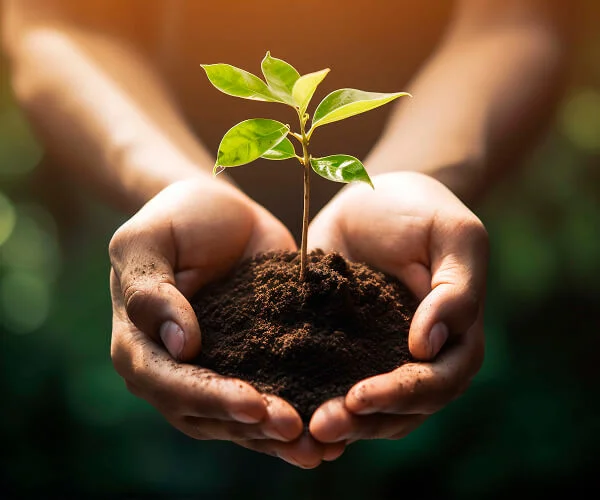
Sustainable Seed Production (SSP) focuses on reducing external chemical inputs for obvious reasons. These practices enhance both soil health and long-term productivity concurrently in the long term. By promoting organic seed production, farmers abstain from the use of man-made farming products and maintain fertile soil for future generations.In addition, taking on modern technologies, such as using smart farming tools and data, helps farmers work faster and better to get the most out of naturally and readily available resources. This way, it effectively strengthens the overall sustainability of seed production.
Practices for SSP (Sustainable Seed Production)
Green Practices
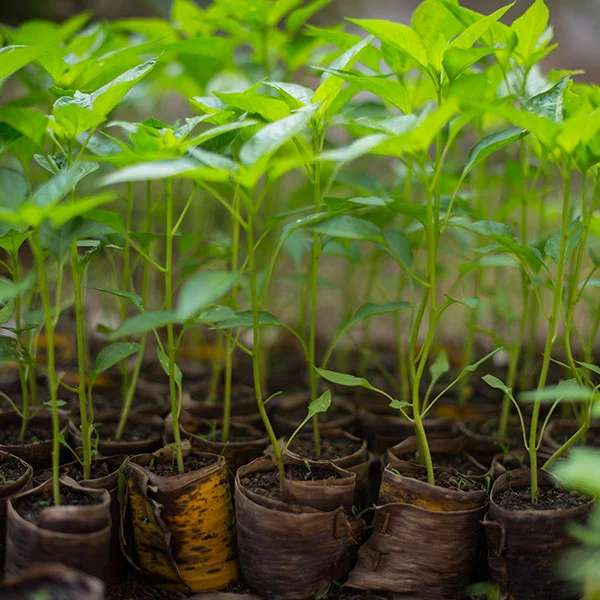
Reduce the use of plastic in production by promoting biodegradable products.
Add organic matter, like compost and cover crops, to make soil fertile, strong, and better at holding water (WHC).
Using helpful insects and predators available naturally to avoid using chemicals at a lower rate.
Health and Safety
We are committed to working toward a greener future by reducing pesticide and fertilizer pollution.
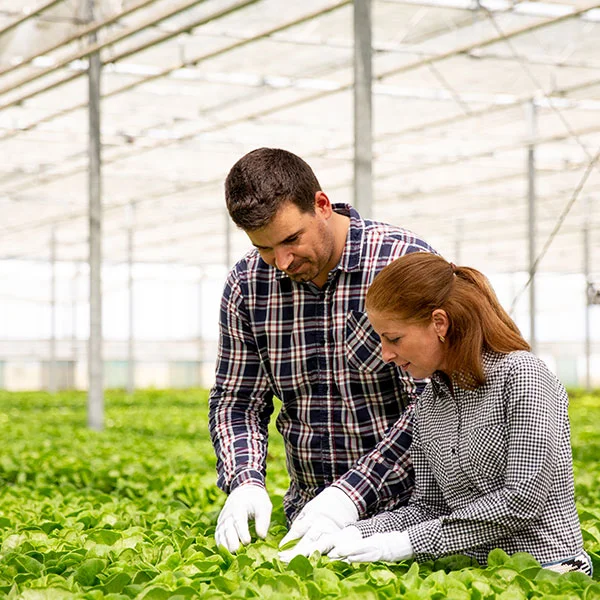
Practice strict hygiene practices at the workplace. Help staff and partners understand eco-friendly choices.
Save water and soil while supporting plants and animals, helping nature thrive.
Credible and Sustainable Farming Practices
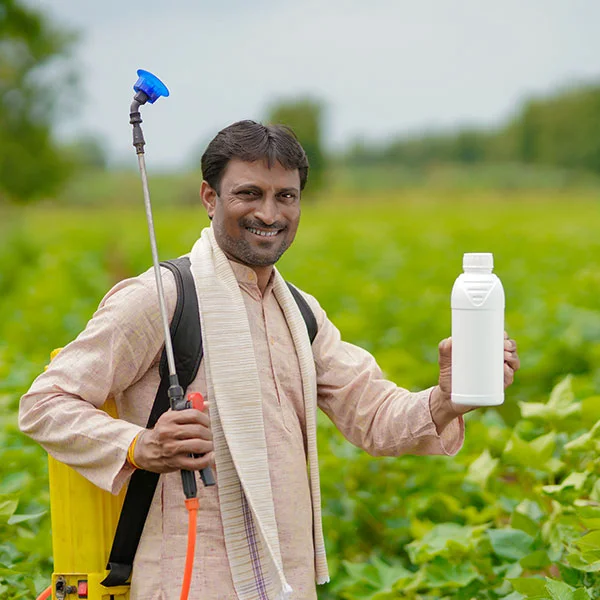
We follow GAP (Good Agricultural Practices for seed production), proving our credibility.
We have an organically certified farm of our own for trials and production.
Provide training and help to improve worker well-being.

IP Protection For Seeds
Intellectual protection helps plant breeders by legally keeping their seeds safe with patents and plant variety protection (PVP). It motivates and protects seed producers to come up with new varieties.It also brings additional funds required to carry out new research and keeps new varieties safe.
Benefits of IP Protection for Seeds
Encourages the production of new seed varieties and helps producers not only come up with newer varieties but also better-quality seeds
Protects producers work and makes sure that all registered plant developers get credit and legal protection
Brings support for crops in their yield and attracts money and resources for research and growth purposes.
Helps farming last longer and stay healthier, supports seeds to grow well in different weather and farming conditions
Increases the abundance of food availability, protects and promotes new seeds, and helps grow enough good crops for all communities