




Trial Seed Production


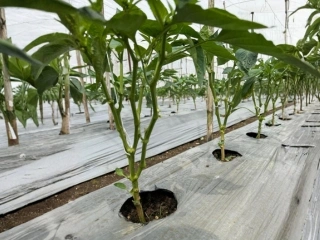
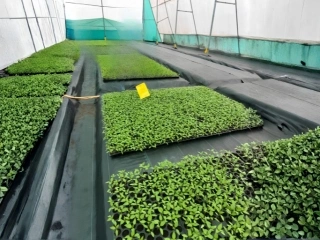
At PAN, we conduct comprehensive trials to evaluate new seed varieties for specific regions, crops, and growing conditions. Our R&D centre grows trial seeds in exact amounts requested by customers. Everything begins with planting out in the fields to post-harvest handling; each step is watchfully monitored to ensure expected quality, consistency, and good results. It is trials to this measure that help farmers get better seeds that grow well to produce higher crop yields, improving their income and living conditions simultaneously.
Stages of trial seed production
Initial Variety Trials
To begin with, small tests are done in controlled conditions.This shows which seeds are worth testing further for better results
Multi-Location Trials
During our ‘Multi-Location Trials,’ the selected varieties are grown in different regions to see how they adapt to various climates and soils.
Preliminary Yield Trials
Preliminary yield trials focus on gauging the crop yield of new varieties under conditions to determine which varieties produce the best harvest.
Crop Adaptive Trials
Seeds are tested to see how well they cope with local farming practices and nature’s stress to benefit farmers with varieties that are reliable and well-suited to their land.
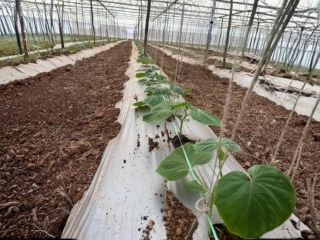
Why is Trial Seed Production Important
01. Quality Assurance
It is an assurance that seeds meet the highest standards for healthy crop growth that leads to stronger plants and reliable harvests.
02. Variety Selection
This selection process is highly crucial, as it orders the most suitable seed varieties for farming to perform well under various climates and thrive.
03. Adaptation
The adaptation tests give a glimpse of how seeds perform under diverse climates and soil conditions, sharing ways to successful and safe farming.
04. Improved Yields
This phase highlights improved farm results to produce more crops, enhances profitability, and contributes to long-term farming success.
05. Food Security
This plays a big role in keeping our food safe and providing a long-term supply, bringing farmers and global food security closer together.
06. Noteworthy practice
Hybrid seeds, caringly chosen by producers, are challenging to make in small batches in multiple regions with varied conditions.Trial seed production overcomes this challenge by ensuring performance is tested thoroughly.
Our Key Aspects
01. Genetic Purity
Safety measures against genetic deterioration maintain seed integrity, preserving seed purity and strength, so they provide consistent harvests.
02. Isolation
Crops are grown in isolated fields to prevent cross-pollination, growing crops in a way that protects the quality of seeds and avoids pollination.
03. Roguing
Off-type plants are sensibly taken away to maintain seed quality by selecting only strong, true plants for the next crop of seeds, knowingly.
04. Seed Certification
Certifies seeds meet prescribed quality and performance standards, offering farmers seeds they can count on for healthy and productive crops.
05. Seed Multiplication
Multiply seed supply by maintaining genetic consistency and a reliable seed stock for farmers across different regions.
06. Post-Harvest Handling
Seeds are thoroughly processed, cleaned, and stored to preserve quality and their viability, and attested for planting and optimal crop production.